How to Read a Clothing Size Chart
To read a clothing size chart correctly, first determine whether it lists body measurements or finished-garment measurements. Then check the units, measurement diagram and fit description. The size label is only a name; the chart explains how that label relates to the wearer or garment.
Identify the chart type
A body chart usually lists circumferences such as chest, waist and hip for the person. A garment chart describes the clothing itself and may show flat widths, lengths and openings. Look for headings such as body, finished garment, half chest or pit to pit.
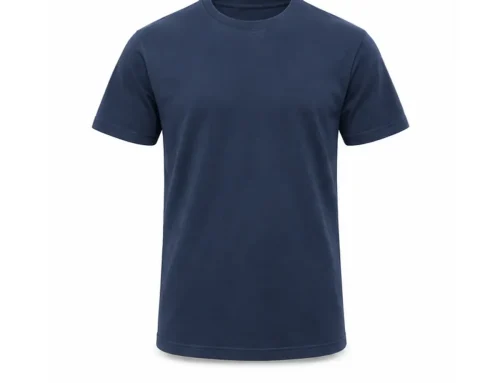
If the chart gives 52 cm for a T-shirt chest, that may mean a flat garment width, not a 52 cm body circumference. Ask the seller if the diagram does not make the basis clear.
Confirm units before comparing
Centimetres and inches can appear in different tabs or columns. Write the unit beside every reference measurement. Avoid relying on mental conversion for a bulk order; convert once in a worksheet and retain the original value as well.
Follow the diagram exactly
Shoulder width may be measured between seam points, while body length may start at the highest shoulder point or another defined location. Thigh measurements can be taken at different distances below the crotch. A measurement with the same name can therefore differ if the endpoints change.
- Use the chart’s stated garment position, such as flat and relaxed.
- Close fastenings if the method requires them closed.
- Do not stretch elastic unless an extended measurement is specifically requested.
- Repeat the measurement once to check consistency.
Compare the right kind of garment
For a finished-garment chart, measure a similar item you already wear comfortably. A fitted tee is not a useful reference for an oversized tee, and rigid jeans should not be compared with leggings simply because both are bottoms. Record the reference garment’s fabric and intended fit.
Allow for the whole pattern
A matching chest width does not guarantee matching shoulders, sleeves or length. Review several key measurements. If your body or reference garment falls between sizes, decide which dimensions are most important for the product and ask whether exchanges or sample checks are available.
Use charts carefully for wholesale
Request the finished specification for the actual style and revision. Keep the approved chart with the sample, and ask how measurements are tolerated in production. Do not combine a generic website chart with a different custom pattern without confirmation.
Our guide to measuring jeans shows how method details affect comparison. Browse the Attirings clothing collection and request style-specific measurements where needed.
About the author : attirings@gmail.com

Related Posts