How to Assess Tracksuit Jacket Sleeve Reach
Tracksuit jacket sleeves should provide the intended wrist coverage while allowing ordinary arm movement. Check reach in a neutral stance, a forward reach and a comfortable overhead position. Sleeve length, shoulder shape and cuff construction all affect the result, so do not diagnose the issue from the wrist alone.
Set a neutral baseline
Wear the intended base layer and close the jacket as designed. Stand with shoulders relaxed and arms by the sides. Note where each cuff sits relative to the wrist and hand. Check both sleeves because the wearer and garment may have small left-right differences.
Confirm that the jacket is centred and not caught on the base layer before taking photographs or measurements.
Use a repeatable reach sequence
- Extend both arms forward at a comfortable level.
- Move the arms apart gently as if beginning a warm-up.
- Raise them overhead within a normal range.
- Return to the starting position and let the garment settle.
Watch the cuffs, underarms, shoulders and lower hem during each step. Do not add equipment or force a sports-specific motion outside the wearer’s normal ability.
Interpret what moves
Some sleeve movement is expected when the arms rise. Record whether coverage remains suitable and whether the cuff creates pressure. If the entire jacket lifts substantially, shoulder or armhole mobility may be the main issue rather than sleeve length.
- Does the cuff pull far up the forearm?
- Does the underarm seam become taut?
- Does the upper back restrict the forward reach?
- Does the hem return after the arms lower?
Measure using the correct sleeve type
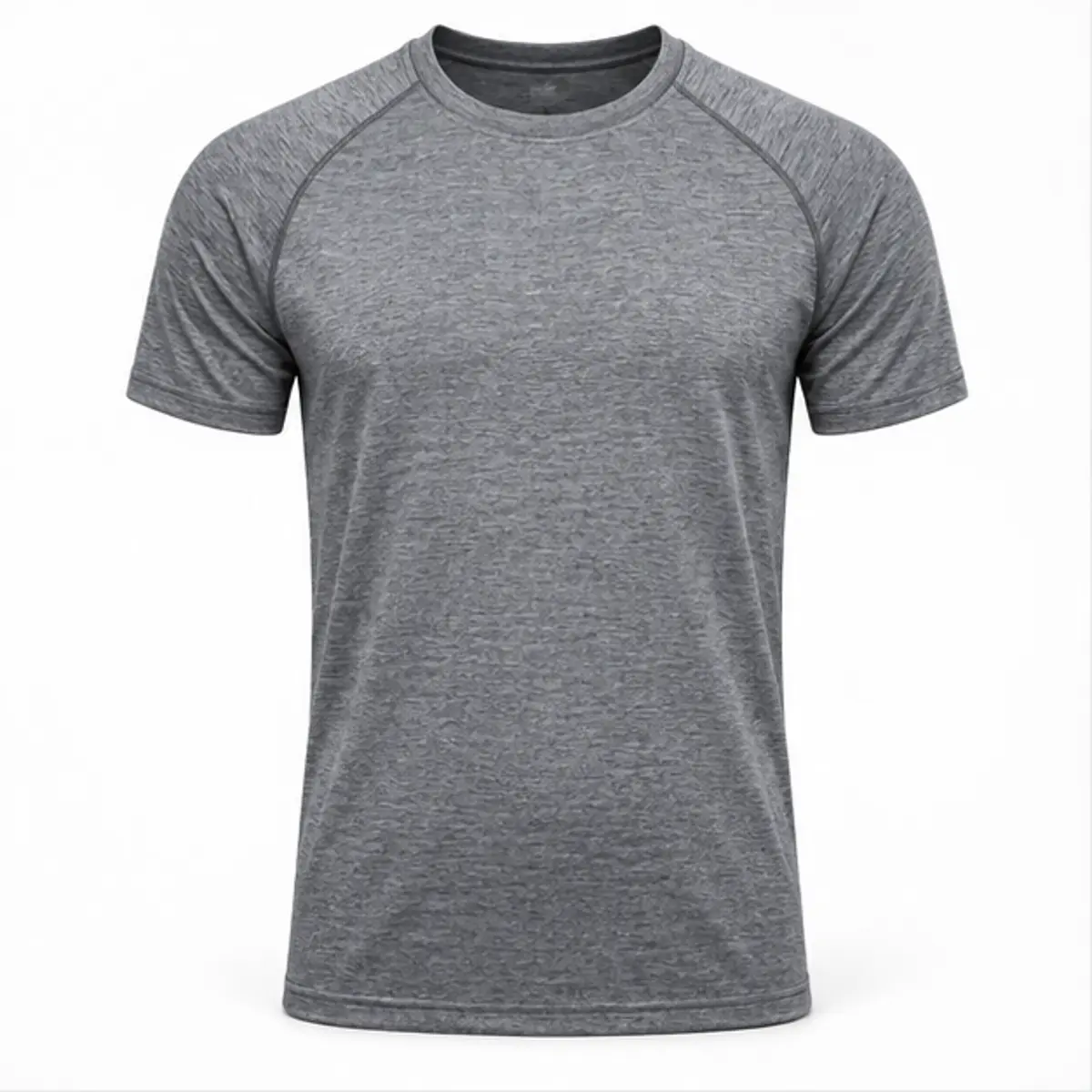
For a set-in sleeve, the specification may measure from the shoulder seam to cuff. Raglan styles require a different route, often from a neck or centre-back reference. Follow the approved diagram and record cuff height separately.
Check the cuff with accessories
If the wearer normally uses a watch or gloves, include them in a second trial where appropriate. Ensure the cuff can be worn as intended without snagging or excessive pressure. Do not change the design around specialist protective equipment without relevant expertise.
Write precise sample notes
State the size, wearer’s reference measurement, base layer and movement. “Right cuff moves 6 cm above the wrist during forward reach” is clearer than “sleeves short”, but use a number only when measured consistently.
Use this with the sportswear fit checklist and explore sports tracksuits for sample planning.
Retest revisions
If sleeve length or shoulder construction changes, repeat the whole movement sequence. A longer sleeve may improve wrist coverage while adding unwanted cuff bunching, so approve the revised jacket as a complete garment.
About the author : attirings@gmail.com

Related Posts