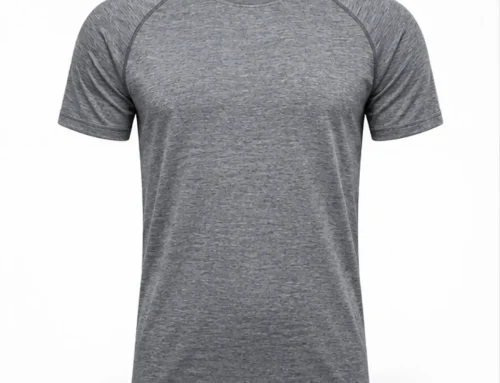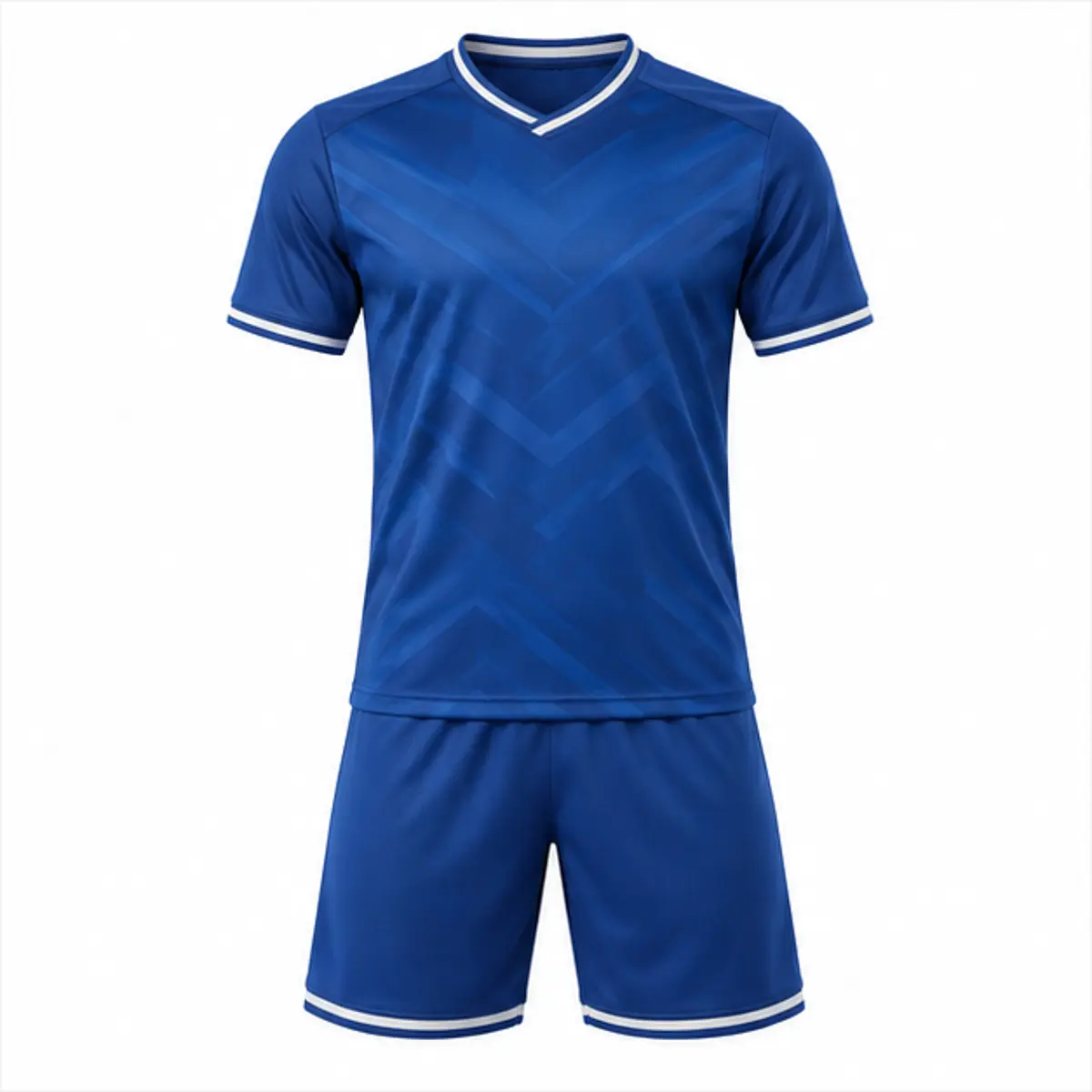
How to Test Training Shirt Freedom of Movement
To check a training shirt’s freedom of movement, watch what happens to the shoulders, underarms and hem during the movements you actually use. The aim is to identify where the garment restricts or shifts, then describe the issue precisely. A fabric that stretches in your hand does not automatically produce a comfortable shirt.
Set a baseline before moving
Put on the intended underlayer and let the shirt settle naturally. Note the shoulder seam position, sleeve opening and lower hem. Use a mirror or ask another person to observe. If you take photographs, use the same angle for each sample and obtain the wearer’s permission.
Choose two or three movements relevant to the activity, such as a forward reach, an overhead reach and a gentle cross-body reach. Use an ordinary, comfortable range. Do not add weights or force an unfamiliar movement just to challenge the sample.
Watch one area at a time
- Shoulders: does the shirt follow the arms, or does the body of the garment get pulled up immediately?
- Underarms: is there pressure, rubbing or a seam that becomes noticeably taut?
- Chest and upper back: where do new folds or pulling lines appear?
- Hem: how far does it move, and does it settle back afterward?
Repeat each movement once after resetting the shirt. If a restriction disappears when a sleeve is untwisted, record that instead of treating the first observation as a pattern defect.
Compare against a useful reference
Try a shirt you already find comfortable using the same movements. A reference creates a practical standard for your use case. It does not make that garment a universal fit model, but it helps explain the amount of movement and coverage you prefer.
Do not compare an oversized reference with a close-fitting sample without acknowledging the difference. Record chest width, body length and intended fit so a reviewer can interpret the feedback.
Turn observations into revision notes
A useful note says what moved, during which action and what the wearer felt. For example: “During a forward reach, the right underarm seam presses against the skin; repeat check on the next sample.” Avoid prescribing a pattern adjustment unless you know which construction change will address the issue.
Retest the revised shirt
Keep the same underlayer and movement sequence for the next version. Separate improved issues from new ones. This prevents an apparently successful change in one area from hiding a problem elsewhere.
Use this focused test alongside the broader sportswear bulk-order fit checklist. Explore sportswear with your activity and preferred range of movement clearly stated.
About the author : attirings@gmail.com

Related Posts