How to Check Hoodie Hood Size
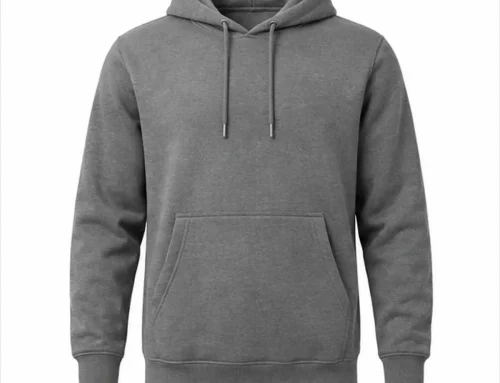
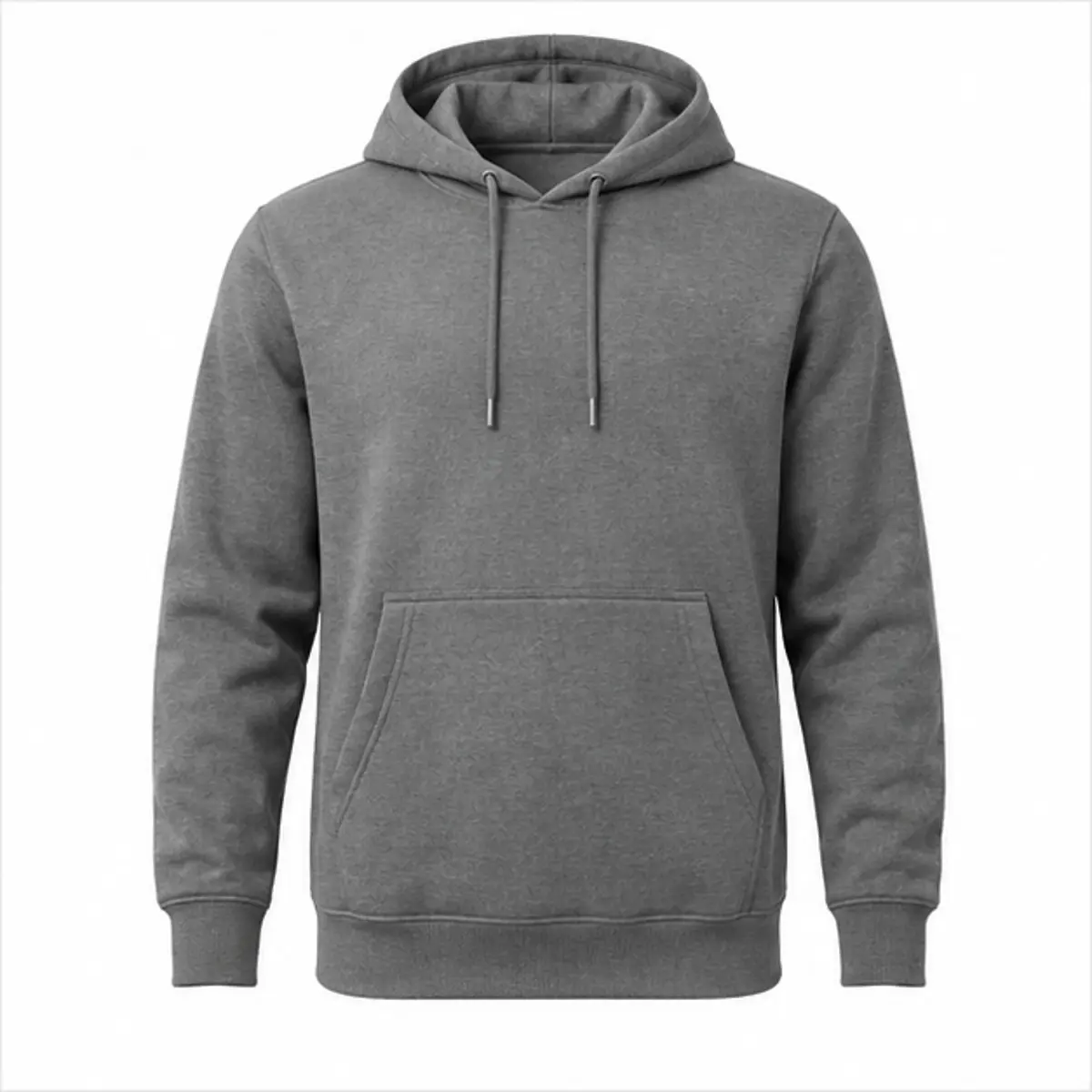
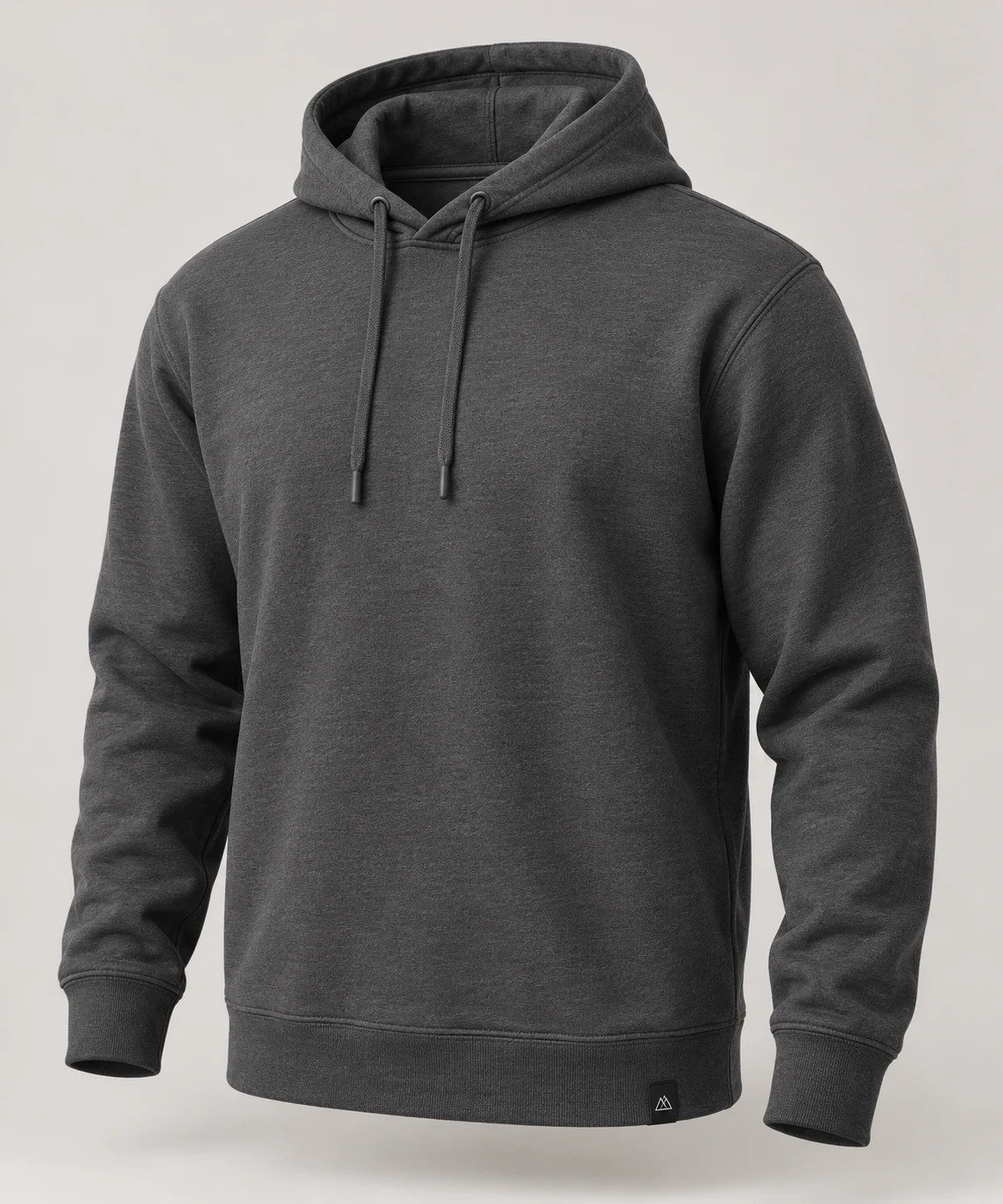
A hoodie hood should be checked both down and worn. Flat measurements can describe its pattern, but the practical test is whether it gives the intended coverage without pulling the neckline, blocking vision or slipping off during normal head movement.
Set up the sample correctly
Wear the hoodie over the underlayer it is designed to cover. Let the hood rest on the back first and check whether its weight drags the front neckline backward. Then raise it without tightening the drawcord. Arrange the seam and opening naturally instead of stretching the fabric into place.
Check coverage and vision
Look forward with your head level. Note where the opening sits around the forehead, cheeks and chin. Turn your head gently left and right, then look slightly upward and downward. The hood should meet the product brief while allowing the wearer to see appropriately for ordinary use.
- Does the hood move with the head or stay behind?
- Does the front edge fall into the eyes?
- Does the neckline pull upward when the head turns?
- Can the wearer hear and see adequately for the intended casual setting?
This is a garment-fit check, not an assessment of protective headwear. Do not market an ordinary hood as protective equipment.
Test any adjustment
If the design has a drawcord or another adjustment, use it only as intended. Check whether both sides adjust evenly and whether the opening becomes comfortable rather than distorted. Inspect cord ends, eyelets and any internal channel. For children’s garments, applicable safety requirements need specialist review; do not copy adult drawcord details without checking them.
Measure the hood for a supplier record
Lay the hood flat according to the approved diagram and record height, opening length and depth using defined endpoints. A single “hood size” number is too vague. State whether rib, facing or seam allowances are included in the finished measurement.
Check balance when the hood is down
Let it fall naturally and view the garment from the side and back. An oversized hood may feel bulky under a jacket, while a small hood may pull at the neck even when it looks neat on a hanger. Add the intended outer layer during the trial if layering matters.
Document the decision
Use front, side and back photographs with the wearer’s consent. Record the sample code, size and underlayer. Describe specific observations such as “opening falls over eyebrows during forward reach” rather than “hood too big”.
Compare men’s hoodies and review fabric interiors separately in our hoodie fabric guide.
About the author : attirings@gmail.com

Related Posts