How to Measure a Hoodie for Layering
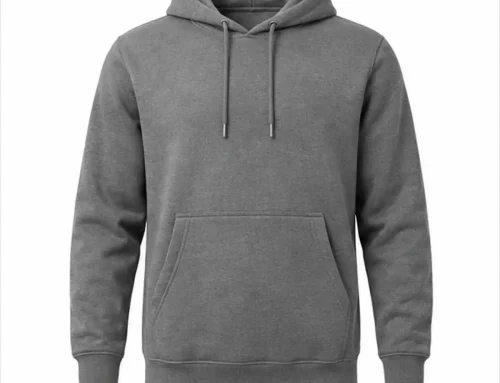
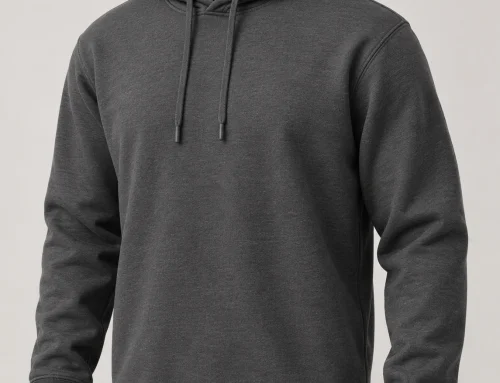
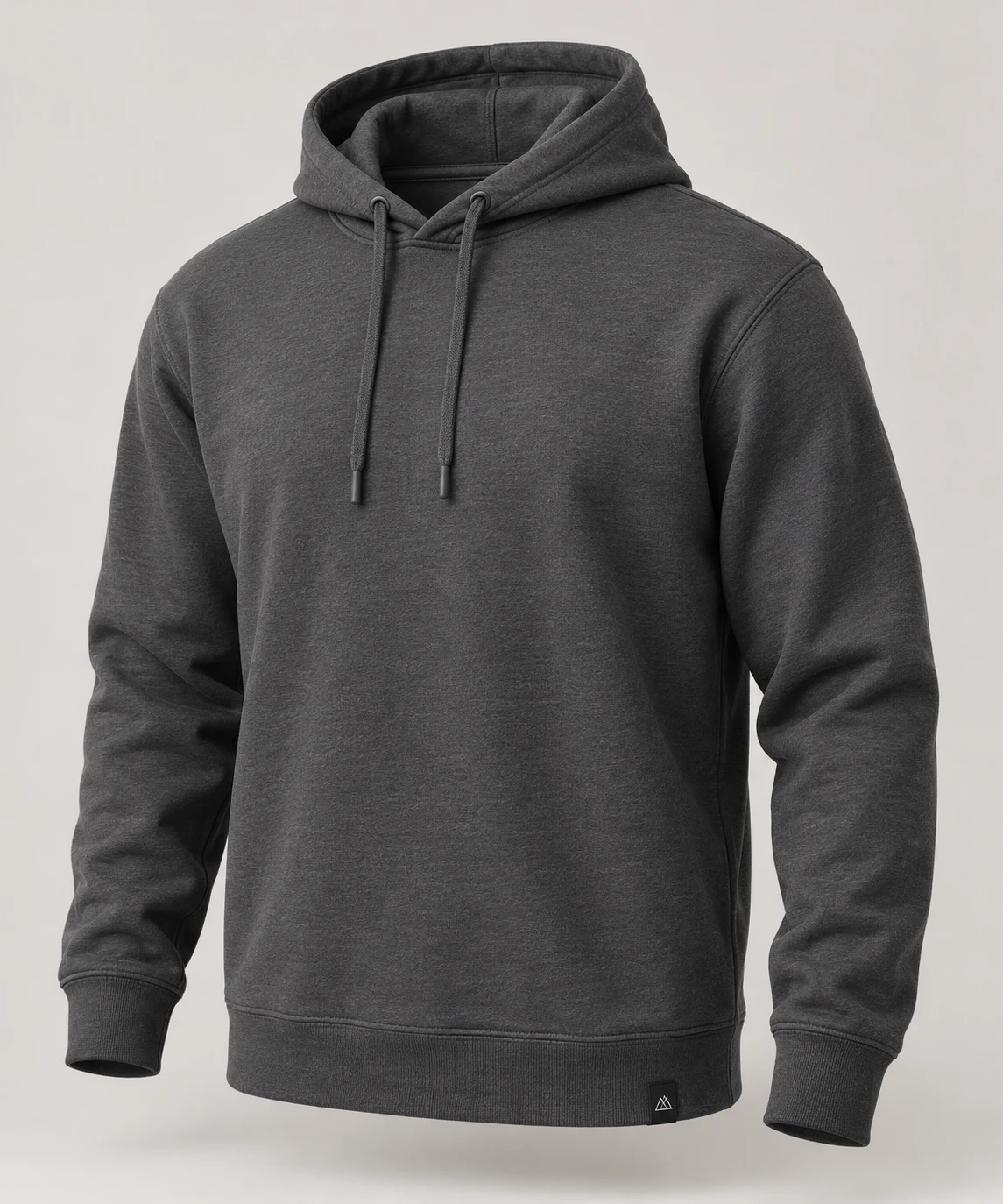
To measure a hoodie for layering, first decide which garments will sit underneath it. Measure a comfortable reference hoodie worn over the same layer, then compare chest width, shoulder area, sleeve length and body length. Simply choosing a larger label can make some areas too long without creating useful movement room.
Define the layer
Write down whether the hoodie will cover a T-shirt, shirt or heavier knit. Use that same underlayer during every sample trial. If the hoodie will also sit beneath a jacket, include that jacket in the final check because hood and sleeve bulk may change the result.
Prepare the reference hoodie
Close a zip-up hoodie or arrange a pullover flat according to the supplier’s diagram. Let the fabric rest without stretching. Record the tagged size, fabric type and whether the measurements were taken with fastenings closed.
Measure the key points
- Chest width: measure across the specified underarm line.
- Shoulder or upper body: use the defined seam points, noting dropped shoulders separately.
- Sleeve length: state the start point, because raglan and set-in sleeves use different paths.
- Body length: measure from the approved upper reference to the hem.
- Hem opening: record the flat width without stretching rib.
Include hood dimensions only if they matter to the layer above. Our hood-size guide explains the worn check, while this measurement record focuses on overall layering.
Perform a layered movement test
Put on the intended base layer and hoodie. Reach forward, raise the arms comfortably and sit down. Look for restriction at the underarm, upper back and elbow. Check whether the inner sleeves bunch or get pulled into the cuff.
Add the outer jacket if relevant. The hoodie should not force the jacket collar or shoulders into an uncomfortable position, and the hood should rest where intended.
Do not confuse ease with excess length
If the chest feels restricted but sleeves are already too long, moving to the next size may not solve the balance. Record the specific area and compare another pattern or fit. A layering brief should state the underlayer and preferred silhouette rather than “one size bigger”.
Document the approved combination
Photograph the hoodie with the chosen layer, record the wearer’s relevant body or reference-garment measurements and keep the approved sample version. For production, include finished measurements and tolerances instead of relying on the size label.
Explore men’s hoodies and describe the intended layers in a sourcing enquiry.
Check pocket access
Layering can shift a kangaroo pocket or side pockets higher than expected. Test access while standing and sitting, with the hoodie and any outer jacket arranged normally.
About the author : attirings@gmail.com

Related Posts