Body Measurements vs Garment Measurements Explained
Body measurements describe the wearer. Garment measurements describe the clothing. A size chart may use either, and confusing them can lead to a poor choice even when the numbers appear to match. Before selecting a size, find out what is being measured and how the measurement is taken.
Read the chart heading first
A body chart might list a chest circumference intended for a particular size. A finished-garment chart might give the width of the shirt laid flat. Those values cannot be compared directly without understanding their units and geometry. Look for a diagram and any wording such as body, finished garment, half chest or pit to pit.
If the chart does not explain itself, ask the seller. Guessing is especially risky when a single number could represent a flat width in centimetres or a circumference in inches.
Understand the space between body and clothing
Clothing may include extra space for movement, layering or a deliberately loose shape. Close-fitting stretch garments can be designed differently. There is no single amount of added room that suits every garment, material and wearer.
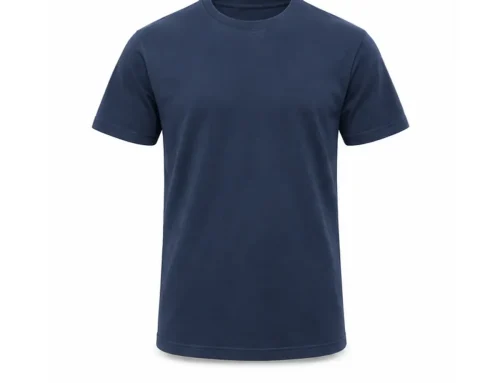
A hypothetical shirt measuring 54 cm across the chest when flat has an approximate 108 cm circumference at that line. On a wearer with a 100 cm chest, the numerical difference is about 8 cm. That arithmetic explains the comparison; it is not a recommendation that 8 cm is the right allowance for every shirt.
Compare like with like
- Use a body chart with body measurements taken as instructed.
- Use a garment chart with a similar garment that already fits well.
- Confirm whether the measurements include waistbands, rib or other finishes.
- Keep centimetres and inches clearly labelled.
- Check whether the garment should be relaxed or stretched during measurement.
Why a reference garment helps
A favourite pair of jeans or T-shirt already reflects your preference for room and coverage. Measuring it can provide a practical reference for a finished-garment chart. Choose a similar garment type and note its fabric and fit: a loose woven overshirt is not a direct comparison for a fitted jersey tee.
For jeans, our repeatable measuring method explains the main points. Record the same points on both pairs instead of comparing only the waist label.
Resolve uncertainty before ordering
Send the seller the chart name, your units and the dimension you are unsure about. Ask a specific question, such as whether chest 54 means a flat finished width. For a wholesale order, retain the confirmed interpretation with the approved size specification.
When browsing the clothing collection, use size labels to locate options and measurements to understand them. Neither a letter size nor one isolated dimension can describe the entire fit.
About the author : attirings@gmail.com

Related Posts