Knit vs Woven Fabric: What Clothing Buyers Need to Know
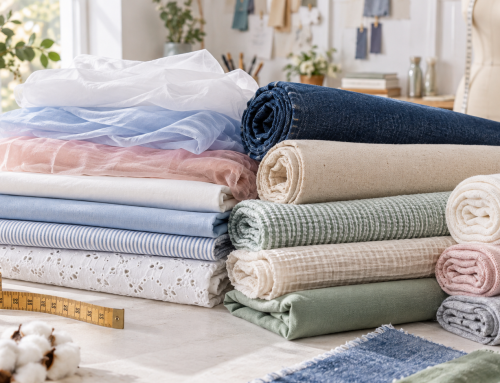
Knit and woven describe how a fabric is constructed. Knitted fabric is formed from intermeshing loops, while woven fabric is generally formed by interlacing warp and weft yarns. Cotton, polyester and other fibres can be used in either family, so “cotton” does not tell you whether a garment is knitted or woven.
Separate construction from composition
Think of a fabric specification as several connected answers: what fibres it contains, how the yarns are arranged, its finished weight and how it is finished. A composition label answers only part of that list. Two cotton fabrics can look and behave very differently.
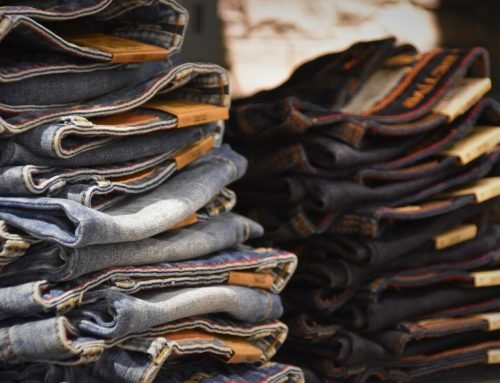
Many everyday T-shirts use knitted jersey, while conventional denim jeans use woven fabric. These are useful examples, not rules that identify every garment. Always check the particular material under consideration.
Do not identify fabric by stretch alone
Looped construction can allow a knit to move, but stretch also depends on the structure, yarns and finishing. A woven fabric may stretch because of its construction or added stretch fibres. Pulling a swatch is therefore not a reliable way to determine the full specification.
For a clearer introduction to fabric families, CottonWorks provides examples in its digital cotton collection. Use physical samples and supplier specifications for an actual purchase.
Compare materials for a particular garment
- Shape: drape the swatch over your hand and see whether it falls softly or holds more structure.
- Movement: evaluate a finished sample during the movements expected in use.
- Surface: inspect both faces under consistent light.
- Coverage: check show-through in the actual colour and at the intended fit.
- Care: read the instructions and compare the sample before and after an appropriate wash trial.
Why a swatch is not enough
A small piece of material cannot show how a neckline, waistband or pocket will behave. Seams and trims change the finished garment. When a fabric looks promising, move to a complete sample and inspect the details that matter to the design.
Questions for a sourcing enquiry
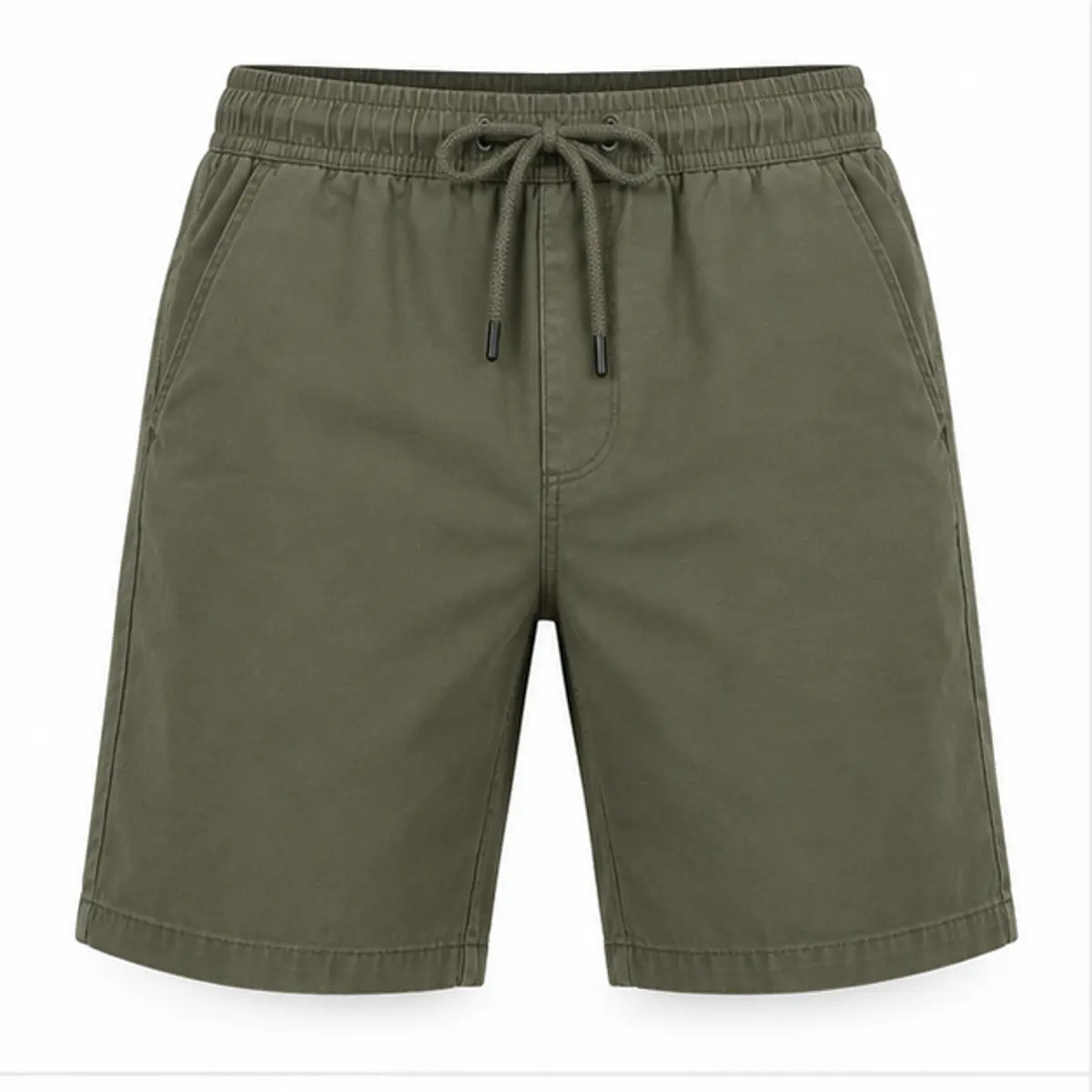
Ask for construction, composition, finished weight and the intended care method. State the garment and the result you want, such as a structured overshirt or a soft layering tee. Describe the physical sample you approve and keep it identifiable so a later substitution cannot be mistaken for the original.
Explore Attirings’ custom manufacturing service, or browse the clothing collection to identify the garment category you want to develop.
About the author : attirings@gmail.com

Related Posts