10 Sportswear Startup Mistakes and How to Avoid Them
A sportswear business can have attractive designs and still struggle to turn its first collection into a sustainable operation. The problems often begin before the first order: an unclear product promise, incomplete costing, or a launch plan that depends on customers discovering the collection by chance.
Understanding these ten sportswear startup mistakes helps founders make better decisions about what to launch, how to work with manufacturers, and where to spend a limited budget.
1. Launching Without a Clear Minimum Viable Collection
Your first collection needs to prove a specific promise to a specific customer. It does not need to include every product you hope to sell eventually. A minimum viable collection is the smallest range that delivers that promise convincingly.
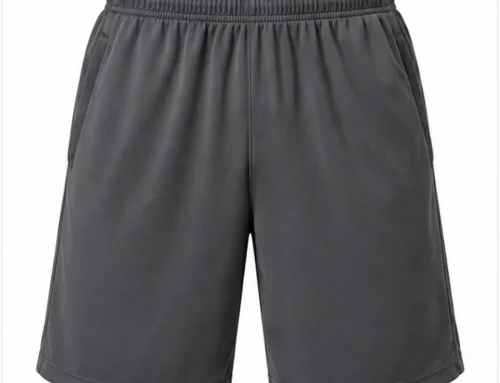
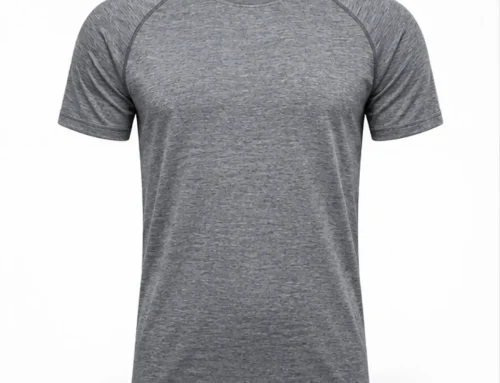
For example, a label focused on comfortable training essentials might begin with a carefully tested top and shorts. Adding jackets, bags, and multiple fabric options before validating those essentials increases development costs and inventory risk.
What to do instead
Write down who the collection serves, what problem it solves, and which features are essential. Remove products that do not support that purpose. Keep enough size and fit coverage to serve your intended audience without multiplying styles unnecessarily.
2. Budgeting Only for Manufacturing
A factory quotation is only one part of the money needed to launch. Design, pattern development, sample revisions, labels, packaging, inspections, freight, storage, payment processing, and returns can all affect the final result. Marketing and customer service also need a budget.
Build a product costing sheet that separates direct garment costs from delivery, selling, and overhead expenses. Include an allowance for development changes and unexpected costs. Use realistic sales scenarios rather than assuming every unit will sell immediately at full price.
- Calculate the landed cost of each style.
- Estimate fulfilment and transaction costs per order.
- Allow for discounts, returns, and customer acquisition.
- Check whether the expected contribution covers operating expenses.
3. Waiting Until Launch Day to Find Customers
A finished product does not automatically create demand. If nobody understands who the collection is for or why it is useful, even strong photography may produce little interest.
Plan customer discovery alongside product development. Speak with potential buyers about fit, intended use, fabric preferences, and price expectations. Use those conversations to sharpen the product and its message.
Build a practical launch sequence
Introduce the problem your products address, demonstrate relevant features, and explain how to buy. Show movement and fit rather than relying only on flat product images. Have product descriptions, size guidance, delivery information, and customer support ready before accepting orders.
4. Planning Only the First Collection
A launch can create new problems if best-selling sizes sell out and replenishment has not been discussed. Development, fabric sourcing, approvals, and bulk production each take time, and their timelines differ between suppliers and products.
Ask your manufacturer for a written development and production schedule. Work backwards from your required delivery date and include room for revisions. Outline the next collection or restock before the first launch, without committing to unnecessary bulk inventory.
Track sales by style, colour, and size so repeat orders reflect actual demand. A planned replenishment of a successful core product can be more useful than an entirely new collection.
5. Getting Trapped in Repeated Sample Revisions
Sampling becomes expensive when feedback is vague or the specifications change after every delivery. Switching manufacturers repeatedly can also restart work that was already close to approval.
Provide a clear tech pack with construction details, fabric requirements, measurement points, tolerances, trims, and artwork placement. Review each sample against the same document and send one consolidated revision report.
Describe the defect, the required change, and how the next sample will be checked. There is no universal number of sample rounds that guarantees readiness. Approve only when the agreed requirements have been met, and reconsider a supplier when serious errors or unreliable communication persist.
6. Treating Brand Identity as Just a Logo
Customers experience a business through its garments, photography, product descriptions, packaging, and response to problems. A polished logo cannot compensate for inconsistent quality or confusing promises.
Choose a clear position, such as practical everyday training wear or durable team apparel. Support that position with evidence in the product. Keep sizing explanations, tone, imagery, and service standards consistent so buyers know what to expect.
7. Leaving Quality Control Until Delivery
Finding defects after goods reach your warehouse limits your options. Agree on quality requirements before production, including measurements, workmanship, colour consistency, labelling, and packaging.
For sportswear, checks may also need to address stretch recovery, opacity during movement, seam performance, print durability, shrinkage, and colourfastness. Match tests to the intended use and claims of the garment.
Use an approved reference sample and a documented inspection plan. A supplier’s report is useful, but independent inspection may be appropriate when the order value or risk warrants it. Verify that any test report or certification applies to the relevant material, product, or facility.
8. Collecting Feedback Without Acting on It
Returns, customer questions, and reviews can reveal recurring problems that sales totals alone miss. A repeated complaint about a waistband or sleeve opening deserves investigation even when the overall style sells well.
Ask focused questions about comfort, fit, fabric feel, and performance after washing. Record patterns by product and size, prioritise recurring issues, and test revisions before placing another order. If you offer an incentive for feedback, make clear that honest criticism is welcome.
9. Neglecting Supplier and Industry Relationships
Reliable relationships help resolve problems while they are still manageable. Manufacturers, pattern makers, inspectors, logistics providers, and retailers each see different risks in the process.
Keep specifications and approvals in writing, meet agreed responsibilities, and communicate changes early. Seek advice from people with relevant production experience, while checking that their recommendations suit your market and budget.
10. Buying Tools Without Improving the Workflow
Digital design, inventory software, customer databases, and automation can help a growing label. They are most useful when they solve a clear problem, such as missed approvals, inaccurate stock counts, or repeated manual order entry.
Start with a measurable need and trial the tool on a small scale. Digital garment visualisation can support development, but it does not replace physical checks of fit, fabric feel, and construction.
A Practical Checklist Before Your First Bulk Order
- Define the customer and the promise of the first collection.
- Complete product costing and a cash-flow forecast.
- Approve documented specifications and reference samples.
- Agree on quality checks and realistic delivery milestones.
- Prepare product pages, fulfilment, and customer support.
- Set a process for feedback, restocking, and future development.
A stronger sportswear launch comes from a sequence of clear decisions. Keep the range focused, document expectations, and use early customer evidence to guide the next investment.
About the author : attirings@gmail.com

Related Posts