How to Measure T-Shirt Chest Width
To measure a T-shirt’s chest width, lay the garment flat and measure straight across from one agreed underarm reference point to the other. Record the result as a flat garment width and state the method. Do not call it a body chest circumference or leave the unit unspecified.
Prepare the shirt
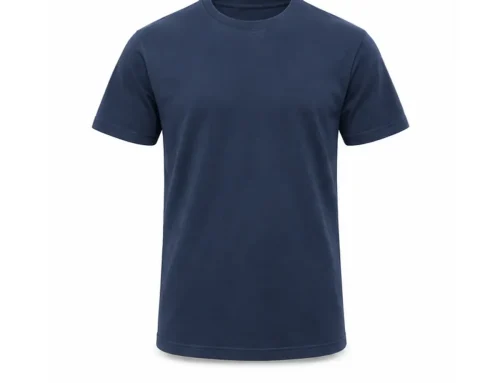
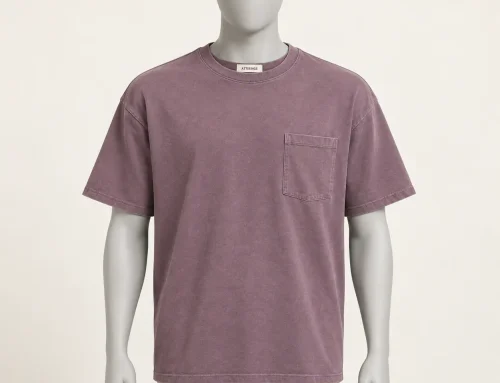
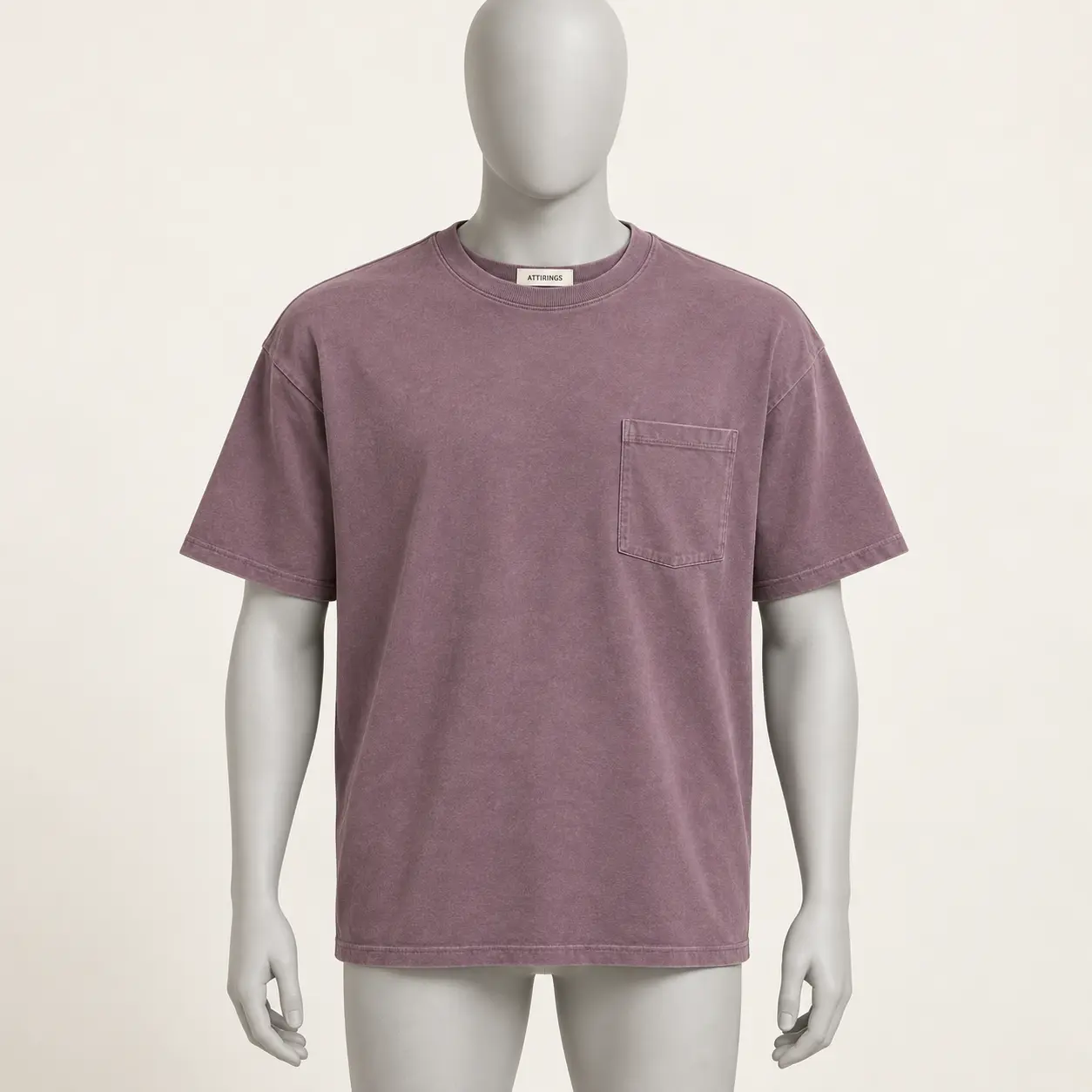
Button or zip any relevant opening, empty the pocket and place the shirt face up on a broad, level surface. Let the fabric rest without stretching it. Smooth large folds gently, but do not pull the side seams outward to make the shirt appear wider.
If the shirt has just been worn or laundered, record that condition. For supplier comparisons, measure all samples in the same condition and use the same tape and units.
Choose the exact measurement line
Different charts may measure directly below the armhole, between seam intersections or at a stated distance beneath the armhole. None of those methods should be silently substituted for another. Follow the diagram supplied with the chart, or write your own method clearly.
- Identify the left and right reference points.
- Place the tape in a straight horizontal line.
- Keep the tape flat without using it to stretch the fabric.
- Read the width and record centimetres or inches.
- Lift the tape, reset the shirt and repeat once.
Avoid the doubling mistake
A flat width can be doubled to create an approximate circumference at that line, but label the figure as calculated. For example, a hypothetical 53 cm flat width gives about 106 cm around the garment at the same level. That is not the wearer’s body measurement and does not establish how much room the shirt will provide.
Compare a similar reference garment
Measure a T-shirt that already fits well using the identical line. Compare chest width alongside shoulder width, body length and intended silhouette. Matching the chest alone cannot reproduce the whole fit, particularly when one shirt has dropped shoulders or a different fabric.
Record results for production
Include style code, size, measurement point, unit, sample version and date. A photograph showing the tape position helps another person repeat the check. For a size set, use one consistent specification rather than changing the method when a larger size becomes harder to arrange.
Browse men’s T-shirts and compare weight separately using our T-shirt GSM guide. Send the finished-garment method with any sourcing enquiry.
Use the result in a size chart
If the website publishes a half-chest measurement, use the same name and diagram on every product page. Do not switch between body chest and garment width within one table. For returns analysis, keep the customer’s size choice separate from the measured dimensions so later revisions can be traced accurately.
About the author : attirings@gmail.com

Related Posts