Cotton Fabric Types for Clothing: A Complete Sewing Guide
Quick guide: See Attirings’ custom manufacturing service, explore clothing products, or request sourcing information.
For further fabric education, visit CottonWorks and the Cotton Incorporated technical resources.
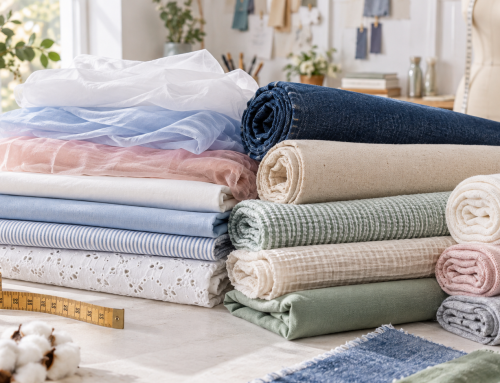
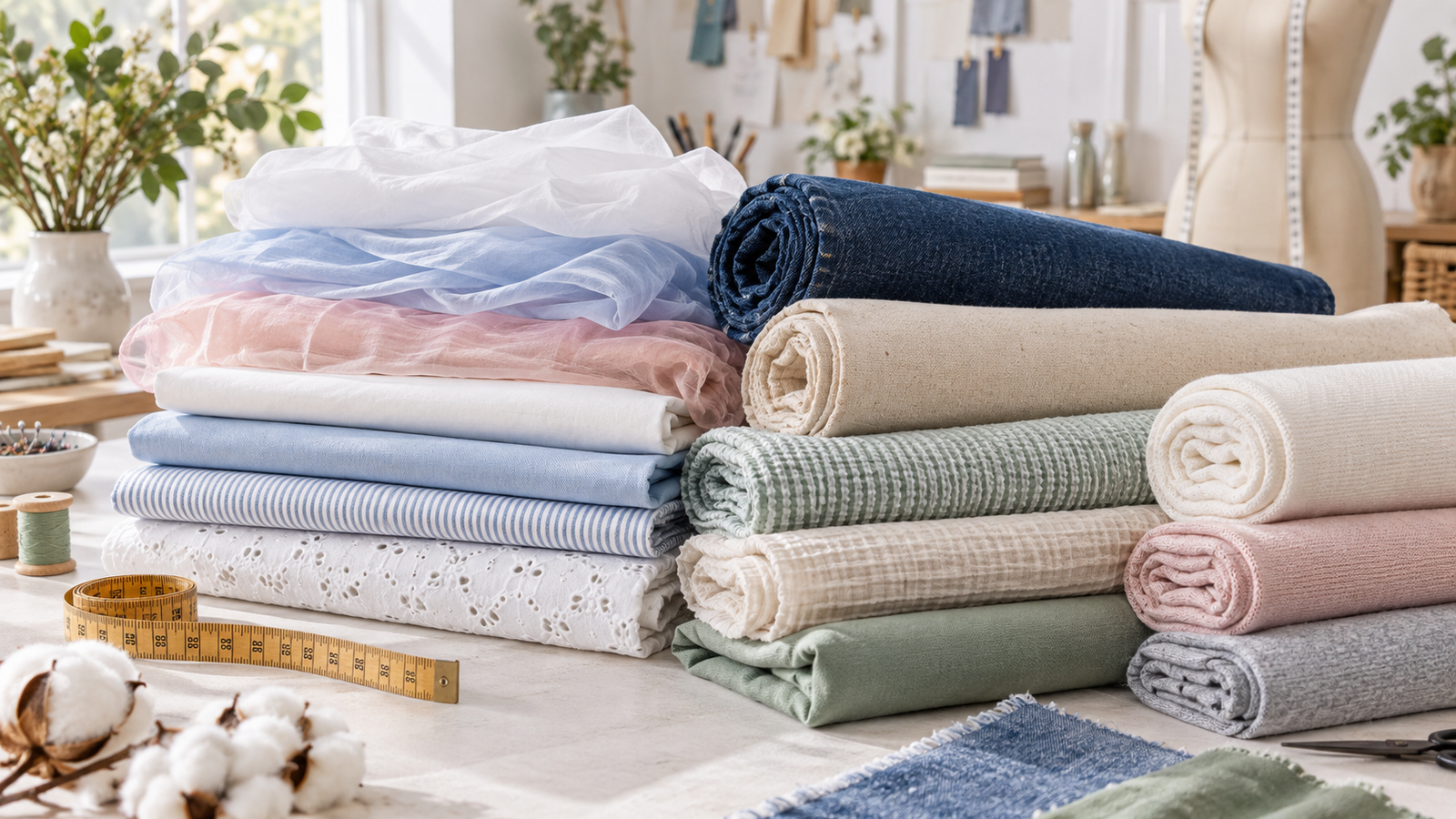
Choosing the right cotton fabric can make the difference between a garment that hangs beautifully and one that feels stiff, bulky or uncomfortable. Cotton is breathable, versatile and widely available, but every cotton fabric does not behave in the same way. Cotton lawn works well for soft blouses, poplin creates crisp shirts, denim suits durable garments, and cotton jersey is ideal for stretch clothing.
This guide explains the most useful cotton fabric types for clothing, their key characteristics, the garments they suit and practical sewing tips. Whether you are choosing fabric for a summer dress, button-up shirt, skirt, trousers or casual top, understanding weight, weave, drape and stretch will help you achieve a better result.
How to Choose the Right Cotton Fabric for Clothing
Before buying cotton fabric, consider how the finished garment should look and move. A fitted shirt needs enough structure to support collars and cuffs, while a gathered dress needs softer fabric with fluid drape. The sewing pattern envelope normally recommends suitable materials, but the following qualities will help you compare different options:
- Weight: Lightweight cotton suits blouses and summer dresses, while medium- or heavyweight cotton works better for trousers, jackets and workwear.
- Drape: Soft fabric falls close to the body. Crisp fabric holds volume, pleats and structured shapes.
- Opacity: Fine cotton fabrics may require a lining or underlayer.
- Stretch: Woven cotton usually has limited give unless it contains elastane. Cotton knit naturally stretches because of its construction.
- Texture: Smooth fabrics create a polished finish, while eyelet, gauze and seersucker add visible surface detail.
- Care requirements: Most cotton should be pre-washed because it may shrink or soften after laundering.
1. Cotton Lawn and Cotton Voile
Cotton lawn and cotton voile are lightweight woven fabrics with a smooth finish and attractive drape. Lawn is generally crisp, finely woven and slightly more opaque. Voile feels softer, lighter and more translucent. Cotton batiste is another fine fabric in the same general category and often sits between lawn and voile in weight and opacity.
These breathable cotton fabrics are excellent for warm-weather clothing. Their balance of softness and body allows them to form gathers while still supporting details such as collars, cuffs and narrow hems.
Best uses for cotton lawn and voile
- Summer dresses
- Lightweight blouses and tops
- Gathered skirts
- Nightwear and pyjamas
- Children’s clothing
- Garment linings
Voile may need a lining when used for dresses or tops because it can be sheer. Use a fine 70/10 sewing-machine needle and lightweight thread to avoid damaging the weave. French seams are a suitable finish because they neatly enclose raw edges without adding excessive bulk.
2. Quilting Cotton
Quilting cotton is a medium-weight plain-weave fabric available in a huge range of colours and prints. It is durable and easy to handle, but it is usually crisper and less fluid than apparel cotton. For that reason, it may make a flowing dress look boxy instead of creating the soft silhouette shown by the pattern.
Quilting cotton can still be used for clothes when the garment needs structure rather than drape. Always assess the fabric by unrolling a section and holding it against the body. If it stands away from the body, reserve it for a structured design.
Best garments for quilting cotton
- A-line skirts
- Structured tops
- Simple shift dresses
- Pyjamas
- Aprons
- Quilted jackets
Pre-wash and dry quilting cotton before cutting. This reduces the risk of shrinkage and may soften the fabric, although it will normally remain firmer than lawn or voile.
3. Cotton Poplin
Cotton poplin is a tightly woven fabric known for its smooth surface, light-to-medium weight and crisp handle. Fine horizontal ribs may be visible across the cloth. Poplin holds pleats, collars and shaped details well, making it one of the best cotton fabrics for shirts and structured dresses.
Although poplin is thin enough for comfortable everyday clothing, its crispness means folds and construction details remain visible. This quality creates a clean, tailored finish but is less suitable for designs that require fluid movement.
Best uses for cotton poplin
- Button-up shirts
- Shirt dresses
- Full skirts
- Uniforms
- Structured tops
- Dresses with pleats or gathers
Use fine, sharp pins and keep pinning within the seam allowance because some poplins can retain visible pin marks. Accurate pressing is important for neat collars, cuffs and button plackets.
4. Cotton Shirting and Oxford Cloth
Cotton shirting is a broad category covering fabrics designed primarily for shirts. High-quality cotton shirting is smooth, comfortable and stable, with enough structure for collars and cuffs but often more drape than crisp poplin. Depending on the weave and finish, it may also have a subtle sheen.
Oxford cloth is a familiar type of shirting with a basket-weave texture. It is slightly heavier and more casual than fine dress shirting, making it useful for everyday button-down shirts and relaxed garments.
Best uses for cotton shirting
- Classic button-down shirts
- Shirt dresses
- Tunics
- Blouses
- Lightweight casual trousers
Pre-wash shirting before cutting. Fabric sizing can make it feel stiffer in the shop than it will after laundering. Flat-felled seams are a strong, professional finish for shirts because they conceal the raw edges and create a tidy interior.
5. Cotton Eyelet
Cotton eyelet is decorated with embroidered openings that add texture and ventilation. It often includes a scalloped border that can become a ready-made decorative finish along a hem, sleeve or neckline. Careful pattern placement allows this border to become a focal point of the garment.
Eyelet cotton ranges from delicate and sheer to more substantial. A lining may be necessary for bodices, skirts and dresses, while unlined eyelet can work well for sleeves, overlays and yokes.
Best uses for cotton eyelet fabric
- Summer dresses
- Tiered and gathered skirts
- Blouses
- Decorative sleeves
- Yokes and garment panels
- Beach cover-ups
Check the direction of the embroidered design before cutting. Many eyelet patterns have a clear top and bottom, so turning pieces in opposite directions may produce an inconsistent result. Cut in a single layer when exact motif placement matters.
6. Cotton Denim
Denim is a durable cotton twill recognised by the diagonal ribs in its weave. It is sold in weights ranging from soft, lightweight chambray-like denim to heavy fabric suitable for jeans and workwear. Some denim includes a small amount of elastane for added comfort and movement.
The best garment depends on the denim weight. Lightweight denim can form dresses and shirts, while medium-weight denim works for skirts, jeans and jackets. Very heavy denim creates bulk and usually needs stronger equipment and careful seam planning.
Best uses for cotton denim
- Jeans
- Skirts
- Jackets
- Overalls
- Structured dresses
- Workwear
Use a denim needle appropriate for the fabric weight. Topstitching thread can create the traditional jeans finish, but it may require a larger needle and adjusted machine tension. Grade bulky seam allowances and use a tailor’s clapper after steam pressing to help thick intersections lie flat. A hump jumper or folded scrap of fabric can keep the presser foot level when stitching over a thick seam.
7. Cotton Canvas
Cotton canvas is a strong plain-weave fabric with excellent shape and durability. It is commonly used for bags and upholstery, but lighter versions also work well for structured clothing. Canvas weight is often listed in ounces, which makes it easier to match the fabric to the project.
- Lightweight canvas, around 4–8 oz: suitable for skirts, shorts and light jackets.
- Medium-weight canvas, around 8–12 oz: useful for durable trousers, chore jackets and heavier outerwear.
- Heavyweight canvas, over 12 oz: generally better for bags, upholstery and demanding workwear than ordinary garments.
Pre-wash canvas to account for shrinkage and remove sizing. Choose a strong needle, commonly between 90/14 and 110/18 depending on the fabric weight and number of layers. Grade seam allowances to reduce bulk. A walking foot can help feed thick layers evenly, while steam, firm pressure and a clapper can create flatter seams.
8. Cotton Seersucker
Seersucker is a lightweight cotton fabric with alternating smooth and puckered stripes. Its raised texture reduces the amount of fabric touching the skin and allows air to circulate, making it a popular cotton fabric for summer clothing. The puckered surface also disguises wrinkles, so seersucker is practical for travel and everyday wear.
Best uses for cotton seersucker
- Summer shirts
- Dresses
- Skirts
- Shorts
- Pyjamas
- Children’s clothing
Do not try to flatten the characteristic puckers while pressing. Press the seams carefully with light pressure and preserve the texture across the rest of the garment. If the fabric has stripes or checks, match the pattern at prominent seams and centre fronts.
9. Cotton Gauze and Double Gauze
Cotton gauze has an open weave and a soft, naturally crinkled surface. It is breathable, absorbent and comfortable in hot weather. Double gauze consists of two fine layers joined at regular intervals, giving it more body and opacity while keeping the fabric light. Triple gauze is fuller and more substantial.
The relaxed texture gives gauze an informal appearance and means it does not need perfectly smooth pressing. It also becomes softer with repeated washing.
Best uses for cotton gauze
- Loose summer tops
- Relaxed dresses
- Wide-leg trousers
- Baby clothing
- Scarves
- Lightweight robes
Pre-wash cotton gauze because it can shrink noticeably and its texture may change after laundering. A fresh 70/10 or 80/12 needle helps prevent snagging. Pattern weights and a rotary cutter can control shifting during cutting. Handle pieces gently so curved or bias edges do not stretch, and use a narrow double-fold hem for a clean, lightweight finish.
10. Stretch Cotton Woven Fabric
Stretch cotton woven combines the stable structure of woven cotton with elastane, often around 2–3%, for improved comfort. It is a strong choice for fitted garments because it moves with the body while maintaining a tailored appearance.
Best uses for stretch cotton
- Fitted trousers
- Pencil skirts
- Slim dresses
- Close-fitting jackets
- Structured shorts
Check the direction of greatest stretch before placing pattern pieces. Most patterns are designed so the stretch travels around the body. Use a narrow zigzag or another seam recommended for stretch woven fabric so the stitches have slight give. Choose lightweight stretch interfacing for waistbands, collars and facings; rigid interfacing may cause bubbling or restrict movement. Pre-wash the fabric before cutting because both shrinkage and recovery can change after laundering.
11. Cotton Jersey and Other Cotton Knits
Cotton knit fabrics are constructed from loops rather than woven threads, giving them natural stretch. Cotton jersey is the classic fabric used for T-shirts. Other options include interlock, rib knit, French terry and sweatshirt fleece.
- Cotton jersey: light to medium weight with soft drape; ideal for T-shirts and casual dresses.
- Interlock: smoother, thicker and more stable than single jersey; useful for tops and children’s wear.
- Rib knit: highly elastic with good recovery; suitable for neckbands, cuffs and fitted garments.
- French terry: smooth on the front with loops on the reverse; ideal for sweatshirts and joggers.
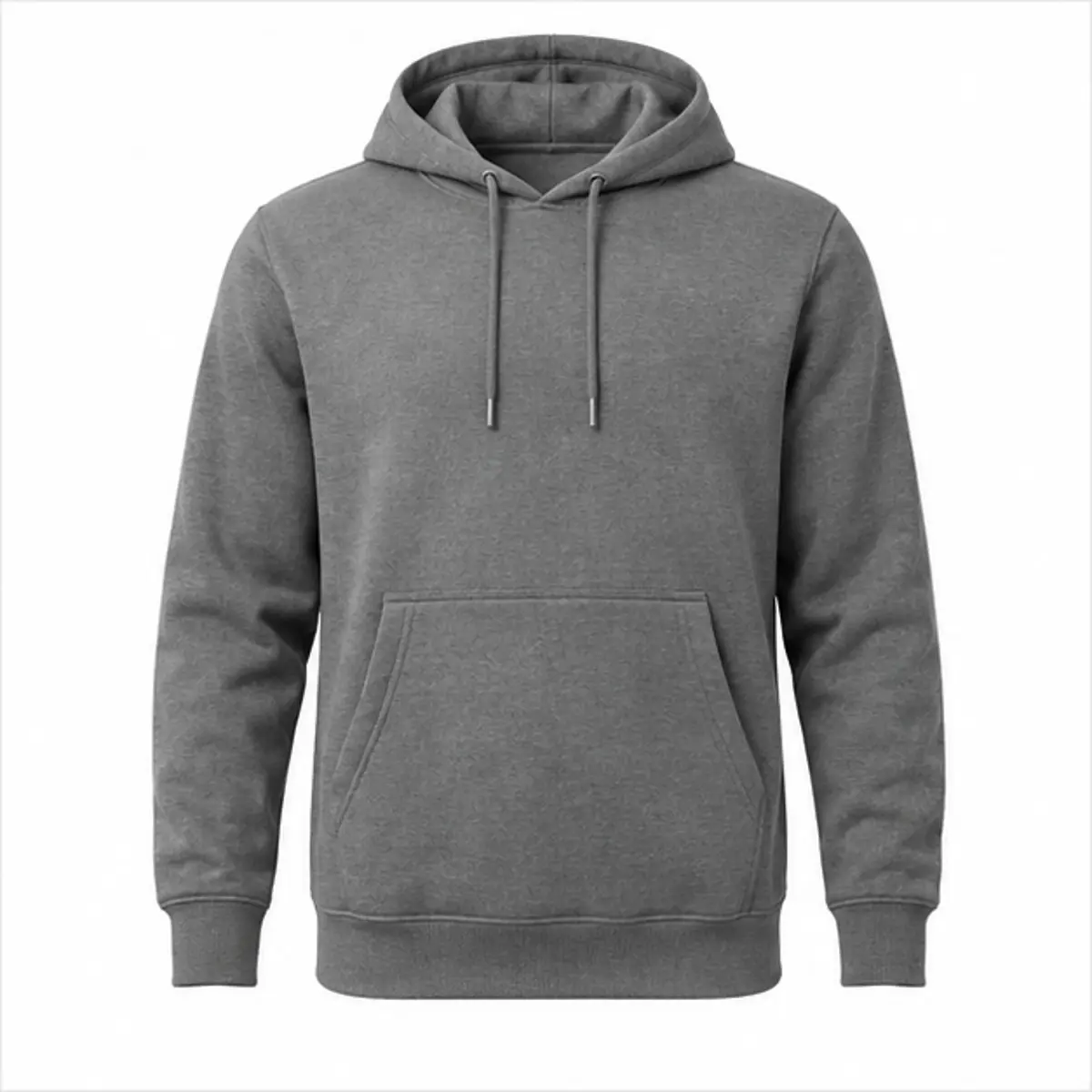
- Sweatshirt fleece: brushed on the inside for warmth; suitable for hoodies and cold-weather casualwear.
Pure cotton jersey may not recover as well as cotton-elastane blends. Before buying, stretch a sample and check whether it returns close to its original shape. Use a ballpoint or stretch needle and a narrow zigzag, stretch stitch or overlocker. Avoid pulling the fabric while sewing, as this can create wavy seams.
Cotton Fabric Comparison Chart
| Cotton fabric | Weight and feel | Drape | Best clothing uses |
|---|---|---|---|
| Lawn | Lightweight, smooth and crisp | Soft to moderate | Blouses, dresses, gathered tops |
| Voile | Very light, soft and often sheer | Fluid | Summer tops, lined dresses, overlays |
| Quilting cotton | Medium weight and firm | Low | A-line skirts, pyjamas, structured tops |
| Poplin | Light to medium and crisp | Low to moderate | Shirts, shirt dresses, pleated skirts |
| Shirting | Light to medium and smooth | Moderate | Button-down shirts, tunics, blouses |
| Eyelet | Light to medium with embroidery | Varies | Summer dresses, skirts, sleeves |
| Denim | Medium to heavy twill | Low to moderate | Jeans, jackets, skirts, workwear |
| Canvas | Firm and durable | Low | Trousers, shorts, chore jackets |
| Seersucker | Lightweight and puckered | Moderate | Summer shirts, dresses, pyjamas |
| Double gauze | Lightweight, airy and crinkled | Soft | Loose tops, dresses, baby clothing |
| Stretch cotton | Structured with slight stretch | Moderate | Fitted trousers, skirts, dresses |
| Cotton jersey | Soft knitted fabric | Fluid | T-shirts, casual dresses, loungewear |
Essential Tips for Sewing Cotton Fabric
Pre-wash before cutting
Wash and dry cotton using the same method planned for the finished garment. Pre-washing accounts for shrinkage, removes surface finishes and reveals the fabric’s true texture and drape.
Match the needle to the fabric
Use a 70/10 or 80/12 needle for fine lawn, voile and gauze. A universal 80/12 or 90/14 needle suits many medium-weight woven cottons. Choose a denim needle for denim, a stronger needle for canvas, and a ballpoint or stretch needle for cotton knit.
Test stitches first
Use a fabric offcut to test stitch length, tension, seam finish and pressing temperature. Testing is particularly important for sheer fabric, stretch cotton and bulky denim seams.
Choose the correct seam finish
French seams suit lightweight and sheer cotton. Flat-felled seams work well for shirts and denim. Overlocking, zigzag stitching or bound seams can control fraying in medium- and heavyweight cotton.
Press without distorting the fabric
Cotton usually responds well to steam, but textured and delicate fabrics require care. Press instead of sliding the iron, and test the heat on a scrap before working on the garment.
Frequently Asked Questions About Cotton Fabric
What is the best cotton fabric for summer dresses?
Cotton lawn, voile, eyelet, seersucker and double gauze are excellent choices for summer dresses. Lawn and seersucker provide more structure, while voile and gauze create a softer, more relaxed silhouette. Check opacity before deciding whether a lining is needed.
What is the best cotton fabric for shirts?
Cotton poplin and shirting are among the best fabrics for shirts. Poplin produces a crisp, tailored shape, while fine shirting tends to feel softer and drape more naturally. Oxford cloth is a good option for a casual button-down shirt.
Can quilting cotton be used for clothing?
Yes, quilting cotton can be used for structured clothing such as A-line skirts, simple tops and pyjamas. It is less suitable for patterns that depend on soft drape, fluid movement or close body shaping.
Which cotton fabric is best for beginners?
Stable, medium-weight cotton poplin, quilting cotton and lightweight canvas are generally easy to cut and sew. Slippery voile, shifting gauze and stretchy jersey may require more control and are better after practising basic construction skills.
Does cotton fabric shrink?
Many cotton fabrics shrink during their first wash and dry. The amount depends on the weave, finish and fibre blend. Pre-washing fabric before cutting helps prevent the completed garment from becoming too small.
What is the difference between woven cotton and cotton knit?
Woven cotton is made from intersecting lengthwise and crosswise yarns, so it usually has more structure and limited stretch. Cotton knit is formed from loops, giving it natural flexibility and making it suitable for T-shirts, sweatshirts and other comfortable garments.
Final Thoughts
There is no single best cotton fabric for every sewing project. The right choice depends on the garment’s shape, desired drape, weight, opacity and stretch. Lawn and voile suit light, flowing garments; poplin and shirting create crisp shirts; denim and canvas provide durability; and cotton jersey delivers softness and flexibility.
Before cutting, pre-wash the fabric, compare its behaviour with the pattern requirements and test stitching on a scrap. Taking a few minutes to evaluate the fabric will improve fit, comfort and finish while reducing costly sewing mistakes.
About the author : attirings@gmail.com

Related Posts