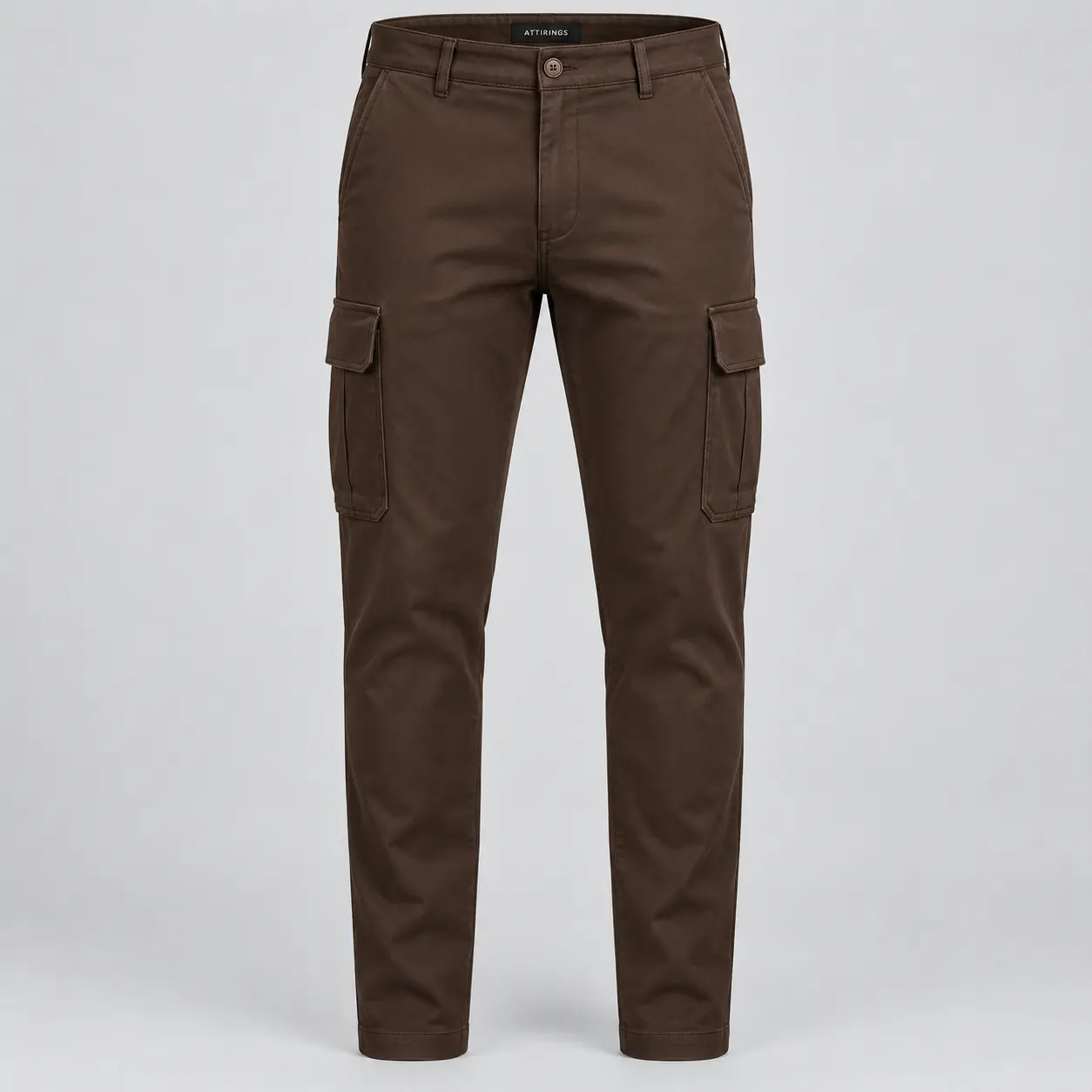
How to Check Cargo Pocket Position
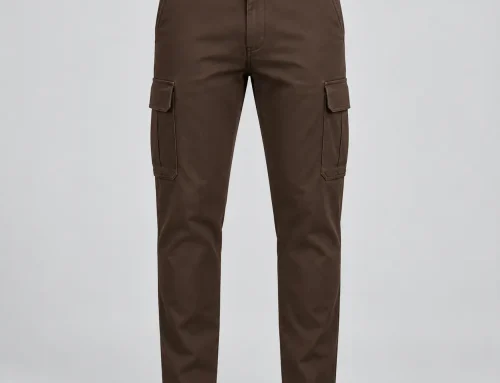
Cargo pocket position should be judged on the wearer, not only on a flat garment. The pocket needs to support the intended look and allow useful access without interfering with sitting, walking or knee movement. Test its top edge, overall placement and load as separate points.
Start with an empty-pocket check
Put on the trousers with the waistband in its intended position. Stand naturally and identify where the pocket sits relative to the side seam, thigh and knee. Check both sides rather than assuming they are symmetrical. Photograph the front and side with consent if the sample is being reviewed remotely.
Test access in three positions
- Standing: open the pocket and reach inside without twisting the trousers.
- Sitting: use a normal chair and check whether the opening remains accessible or presses against the leg.
- Walking: close the pocket and notice whether it catches the hand, swings or rubs against the knee.
Repeat with the closure fastened as intended. A flap, snap or zip changes access, so the pocket should not be approved from location alone.
Add a realistic pocket load
Use an ordinary object that the garment is reasonably expected to carry, such as an empty wallet or phone-shaped test piece. Avoid sharp, valuable or heavy objects during a sample trial. Walk and sit again, watching whether the loaded pocket changes the trouser line or strikes the knee.
A large pocket is not automatically more functional. Depth, opening width, closure and internal volume all affect use.
Turn comments into measurements
Instead of writing “move pocket up”, define the approved reference points. A specification might record the distance from the top of the waistband or from a fixed side-seam point to the upper pocket edge. State whether the measurement follows the seam or runs in a straight line.
Use the same reference on every size. If the pocket position changes through the size range, record the grading rule rather than approving only the base size.
Inspect construction around the pocket
Look for puckering, uneven corners and stitching that becomes stressed when the pocket is loaded. Check whether a flap covers the opening as intended and whether both pockets sit at matching heights. Do not infer seam strength from appearance alone where a tested requirement is important.
Approve position with the complete fit
A pocket may seem too low because the trousers are worn below their intended rise. Confirm waistband position, inseam and knee location before changing the pocket. Use our cargo pants and joggers comparison for broader fit checks, then browse men’s cargo pants.
About the author : attirings@gmail.com

Related Posts