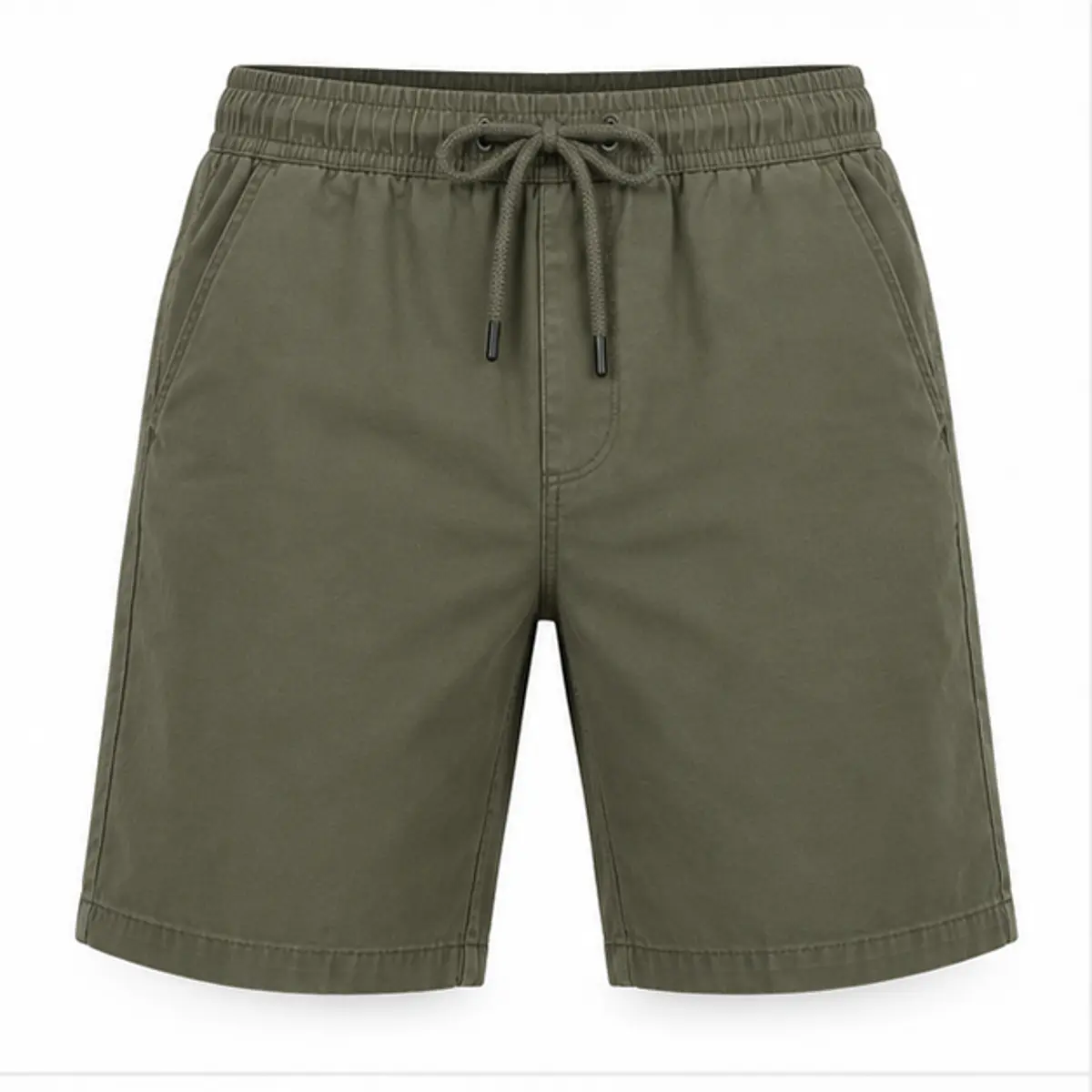
Fabric Composition vs Construction: Reading Both
Fabric composition tells you which fibres a material contains. Construction describes how its yarns or fibres are arranged. Both belong in a buying specification because a fibre blend alone does not identify the fabric you want. “Cotton blend” is a starting description, not a complete material brief.
Put the information into separate fields
Use one field for composition, such as a stated cotton and polyester blend, and another for construction, such as jersey or twill. Add finished weight, colour and finishing details in their own fields. Keeping these entries separate makes missing information easier to spot.
For background on fabric families, see our knit and woven guide. Here, the goal is to turn those distinctions into a usable purchasing record rather than identify a fabric from appearance alone.
Why the blend does not predict everything
Two fabrics can share a composition and still have different drape, surface, weight and stretch behaviour. Do not promise a particular level of durability or comfort solely from fibre percentages. Evaluate the completed material and the garment in which it will be used.
Stretch is a useful example. CottonWorks documents a mechanical stretch approach for woven cotton that does not depend on synthetic stretch fibres. It illustrates why observing stretch is not enough to infer composition; it is not a claim that every cotton woven fabric stretches the same way.
Build a material reference card
- Sample identifier: assign a code that also appears on the physical swatch.
- Composition: record the supplier’s stated fibres and percentages.
- Construction: use the specific term confirmed by the supplier.
- Finished weight: include the unit and agreed measurement basis.
- Finish and colour: record relevant treatments and the approved colour reference.
- Intended use: identify the garment and the required care instructions.
A hypothetical comparison
Suppose two proposed materials are both described as cotton-rich blends. One is offered for a jersey T-shirt and the other for a structured trouser. Putting both under “cotton blend” in a spreadsheet hides the construction difference. Separate rows with clear construction and finished-weight fields make the comparison more meaningful.
Control substitutions
If a supplier proposes another fabric, request its details beside the approved reference. Ask which fields change, why the change is proposed and whether a revised garment sample is needed. Do not treat an unchanged composition as proof that the replacement is equivalent.
Include the reference card and physical sample details in a custom manufacturing enquiry. This gives both parties a clearer basis for discussing materials than a broad fabric name or a photograph alone.
About the author : attirings@gmail.com

Related Posts