Straight Fit vs Slim Fit Jeans: How to Compare the Cut
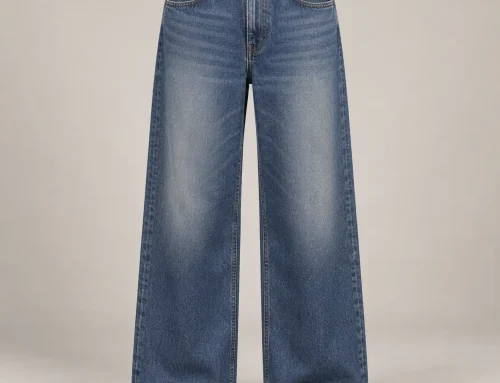
Straight and slim describe a jeans silhouette, but neither label tells you everything about fit. A straight leg generally keeps a more consistent width below the knee, while a slim fit usually follows the leg more closely. The exact shape varies between brands, so compare measurements and movement before choosing.
Compare the same four areas
Start with the waist, thigh, knee and hem opening. The waist should sit where you intend to wear the jeans without needing a belt to correct a major mismatch. Thigh room affects sitting and walking; knee width and the hem opening influence the outline over your shoes. A pair can have a comfortable waist and still be too restrictive elsewhere.
Lay a well-fitting reference pair flat beside the new pair. Close the fastenings and smooth the fabric without pulling it. Measure each garment at the same points. If you measure the thigh below the crotch, record the exact distance used so the comparison can be repeated.
Do a short movement check
- Sit on a normal chair and check whether the waistband digs in or the front pulls.
- Walk and climb a step. Notice restriction through the thigh and knee.
- Look at the back while standing naturally. Do not judge only a posed front photograph.
- Wear your usual shoes and check whether the hem catches or bunches more than you want.
Account for the fabric
A slim pair made with stretch fabric may feel different from a similarly measured rigid pair. Read the composition label, but do not assume that an elastane percentage alone predicts comfort or recovery. Evaluate the finished garment. Stretch should support the intended fit rather than compensate for an unsuitable cut.
Which shape suits your needs?
Consider straight jeans when you prefer more room around the lower leg or want a less tapered line over footwear. Consider slim jeans when you want a closer outline and the sample still allows comfortable movement. Neither is universally more flattering, more formal or better made.
For retailers comparing samples
Keep a reference sample and a measurement sheet for each fit. Ask the supplier to identify the approved pattern and wash so a reorder can be compared with the original. Avoid presenting one generic size chart for several cuts unless the relevant finished measurements actually match.
Explore men’s jeans to compare available silhouettes. For a sourcing enquiry, describe your preferred fit and send reference measurements through the contact page.
About the author : attirings@gmail.com

Related Posts